
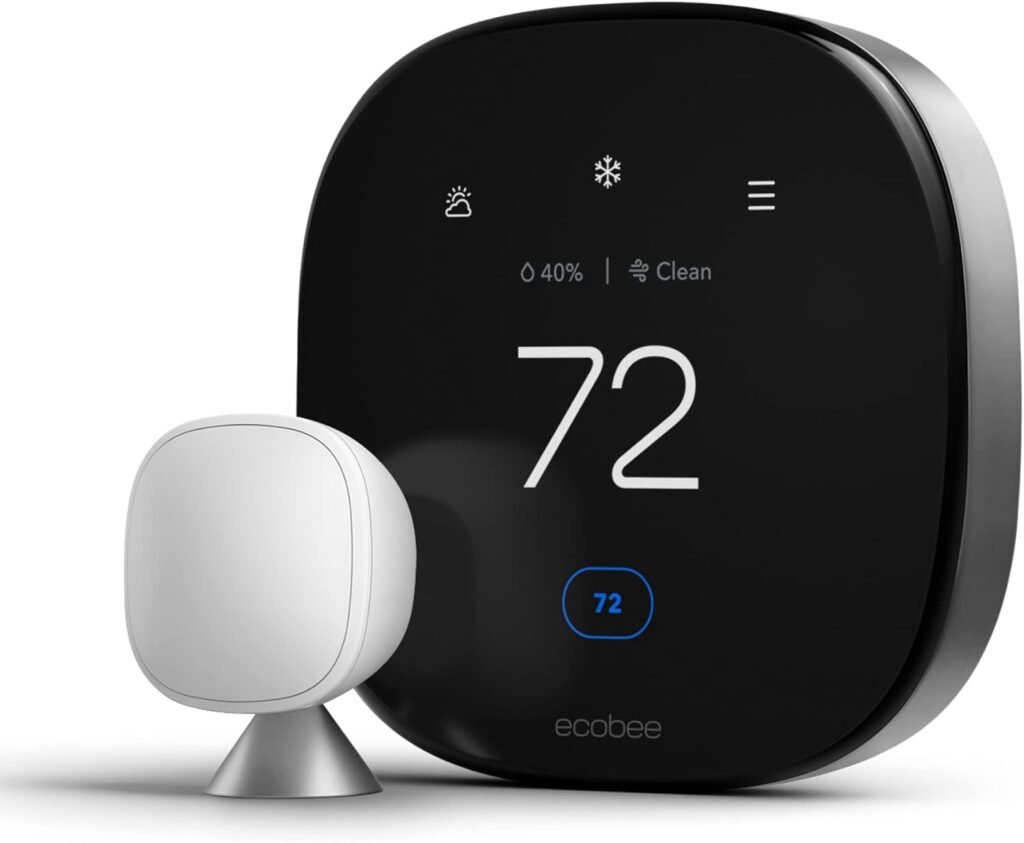
If your home is either too warm or too cold at the wrong times, you’re wasting energy—and comfort. A smart thermostat fixes that with learning schedules, remote control, and automations that keep rooms just right, especially at night.
How a Smart Thermostat Works (in plain English)
- Sensors: track temperature, humidity, motion/occupancy.
- Learning + Schedules: adapts to your routine (wake, leave, return, sleep).
- Geofencing: uses your phone’s location to pre-heat/cool when you’re heading home.
- Integrations: works with Alexa/Google/Apple, smart plugs, and scenes.
- Reports: shows daily energy use so you can tune for comfort + savings.
The Comfort Formula: Day vs. Night
- Day (Home/Active): 20–22°C (68–72°F) for most living spaces.
- Away: bump to 16–18°C (61–64°F) in winter, or 26–28°C (79–82°F) in summer to save energy.
- Sleep (Bedroom): 17–19°C (63–66°F) helps most people fall asleep faster and stay asleep.
Pro tip: Pair the thermostat with blackout curtains + a quiet fan for smoother sleep transitions.
Quick Setup That Actually Works
- Place the sensor right: avoid direct sun, vents, or lamps.
- Create a 4-point schedule: Wake, Leave, Return, Sleep.
- Enable geofencing: set a 1–3 km radius so the home preps itself when you’re near.
- Turn on eco modes: use “Eco/Auto-Away” + gentle ramp-up (no sudden blasts).
- Room priority (if supported): use a remote sensor to prioritize the bedroom at night.
Automations You’ll Love
- Wind-Down Scene (22:00): dim smart lights to warm white, start aroma diffuser for 30 min, set bedroom to 18°C.
- Good Morning (07:00): raise blinds slightly, bring lights to cool white, nudge temp to 20–21°C.
- All-Out (Workdays): if no motion + all phones away, switch to Eco and notify if a window stays open.
Energy Savings—What to Expect
Most households see 10–20% lower heating/cooling costs with well-tuned schedules, eco setbacks, and geofencing—without feeling colder or warmer than you like.
Troubleshooting (fast fixes)
- Room feels uneven? Use a remote sensor in the bedroom/living area you actually occupy.
- Short cycling? Increase temperature deadband (±0.5–1.0°C) and enable gentle starts.
- Feels dry in winter? Keep humidity around 40–50% with a humidifier; many thermostats can display or automate this.
Ready to Upgrade?

- ENERGY STAR certified smart thermostat for home that helps you save energy and stay comfortable.Product note: You can al…
- The Nest Thermostat is designed to work without a C wire in most homes, but for some systems, including heating only, co…
- Nest Thermostat turns itself down when you leave, so you don’t waste energy heating or cooling an empty home; easily pro…
$99.99
Bottom Line
A smart thermostat isn’t just about saving money—it’s about consistent comfort. Dial in your sleep temp to 17–19°C, let schedules handle the rest, and enjoy evenings that wind down smoothly and mornings that start exactly how you like.